

What makes a supply chain resilient? Carla Machado speaks with Dagens Industri
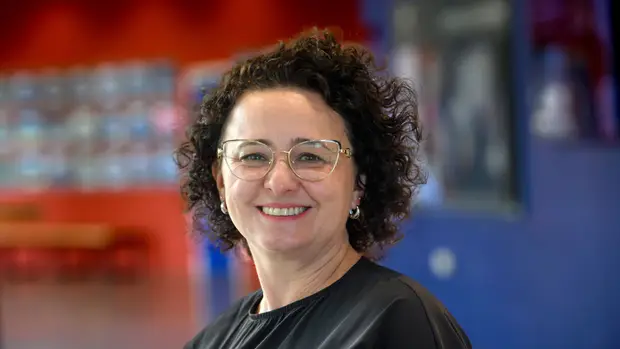
As global uncertainty puts supply chains under pressure, practices that have long characterised the Gnosjö region are attracting renewed attention. MMTC member Carla Machado Opens in new window. spoke with Dagens Industri about local sourcing, supply networks and what makes them resilient.
Global uncertainty, trade tensions and supply-chain disruptions are prompting manufacturers to reconsider where and how they source materials and components. In the Gnosjö region, however, local sourcing and close collaboration between companies have long been part of everyday business.
In a recent Dagens Industri article, MMTC member Carla Machado, Assistant Professor at Jönköping International Business School, discusses why these established practices have taken on new relevance.
Research shows that 35% of Swedish manufacturing companies have already increased their use of local and regional suppliers, while many more are planning changes to their supply chains.
But proximity alone does not create resilience. Carla highlights the importance of understanding dependencies across the entire supply network. For manufacturers, this means looking beyond immediate suppliers and understanding the wider relationships on which production depends.
The experience of the Gnosjö region provides an interesting perspective. Local sourcing, collaboration and strong industrial networks are well-established features of the region's business environment. As manufacturers elsewhere reconsider their supply chains in response to global pressures, these practices are attracting growing interest.
The discussion also illustrates an important aspect of transformation: responding to changing conditions does not always mean replacing existing practices with entirely new ones. Transformation can also involve recognising a new relevance of established knowledge, relationships and ways of working.


