
The Gnosjö spirit has taken on a new form
Gnosjö is often associated with small businesses and an entrepreneurial spirit. However, a new report from Jönköping University (JU) shows that the municipality now has lower levels of new business creation than most other municipalities in Jönköping County. At the same time, productivity, employment and wages continue to develop strongly, suggesting that the Gnosjö spirit may have changed rather than disappeared.
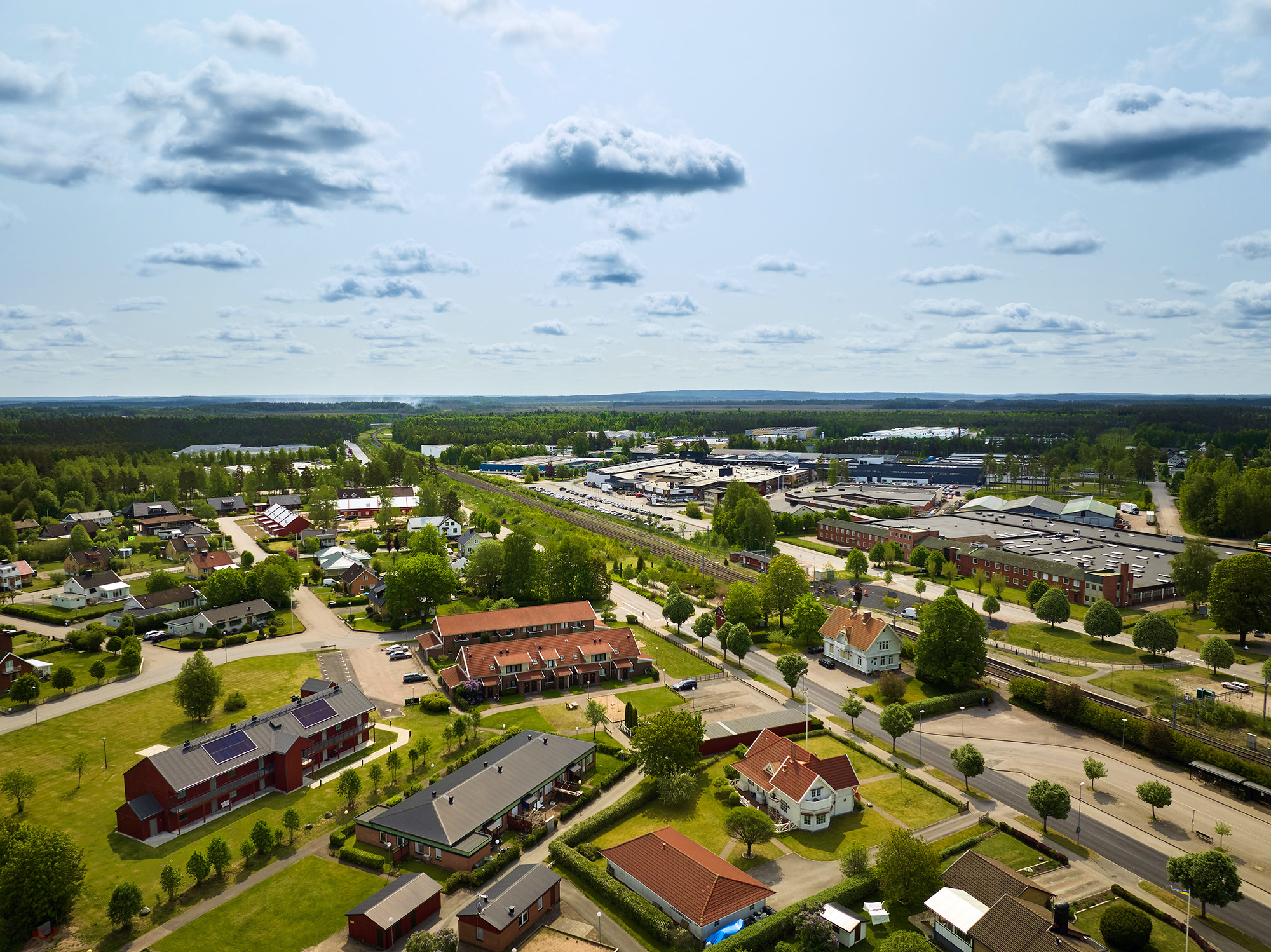
Gnosjö. Foto: Gnosjoandan.com / Patrik Svedberg
Gnosjö has long been regarded as the epitome of Swedish entrepreneurship. However, a new report shows that the traditional image of the Gnosjö spirit needs to be nuanced.
The report Mellan stad och land (Between urban and rural areas) shows that several traditional measures of entrepreneurship in Gnosjö have declined over time. The fall in the proportion of self-employed people since the end of the 2000s is particularly clear. However, this development does not necessarily mean that entrepreneurship has disappeared. Rather, the findings suggest that the forms entrepreneurship takes have changed over time.
At the same time, Gnosjö has seen relatively strong productivity growth. Employment and wages have also developed positively. This indicates that local development can take forms other than high levels of new business creation.
“The image of Gnosjö as an entrepreneurial municipality is more complex than one might expect. The Gnosjö spirit does not necessarily have to be gone, but it probably looks different today,” says Sofia Wixe, Associate Professor of Economics at Jönköping International Business School, JU.
Entrepreneurship changes over time
Historically, the municipality has been characterised by numerous small industrial companies and a strong local culture of production. However, business structures change over time. Companies can grow, specialise and become integrated into larger value chains, while changes in the labour market and generational shifts can affect the forms entrepreneurship takes.
The report’s findings therefore provide grounds for viewing the Gnosjö spirit as something dynamic rather than a static condition. However, the analysis cannot determine exactly why these developments have occurred. It shows that even traditionally strong entrepreneurial environments change over time and that small business activity does not necessarily develop in the same way as it has in the past.
An important question for the future may therefore be less about industrial competitiveness and more about the municipality’s attractiveness as a place to live. Gnosjö has long experienced weak population growth, raising the question of how the municipality can encourage more of those who work there to also choose to live there.
“Gnosjö faces clear challenges. The population has declined and the level of education is relatively low, particularly among those who live in the municipality. Looking ahead, it will therefore be important not only to attract employees to local businesses, but also to encourage more people, particularly those with higher education, to settle in Gnosjö,” says Charlotta Mellander, Professor of Economics at Jönköping International Business School.
Facts
“Survival among the Small: Entrepreneurship and Growth in Swedish Small-Town Municipalities” is a research project funded by the Inger and Sixten Norhed Foundation. For more information about the project and to access the full report, please visit the project website.


