New metal casting research environment takes shape
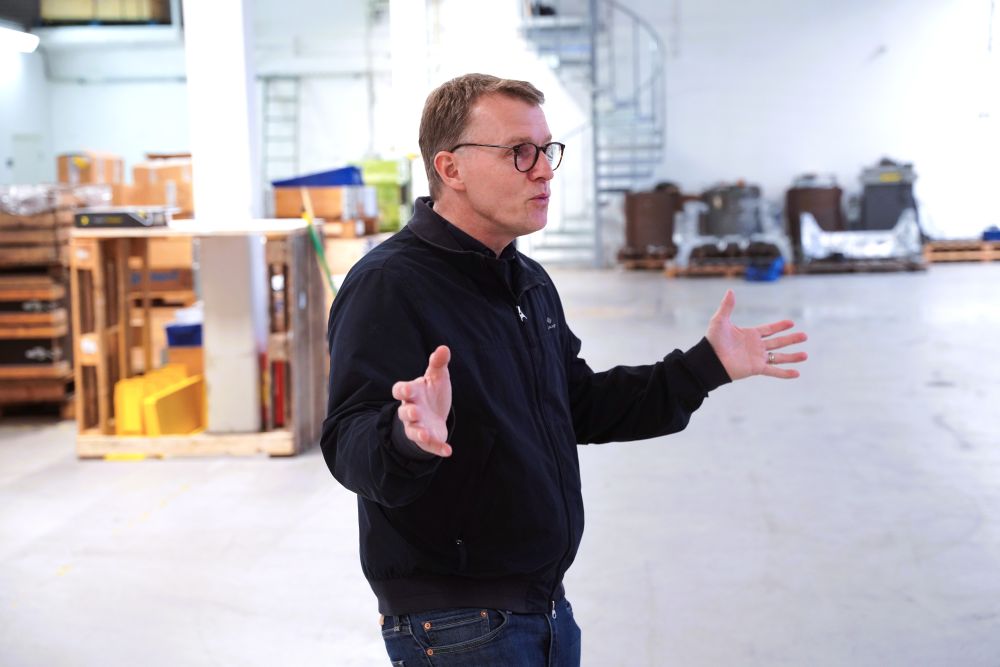
Toni Bogdanoff shows us the premises where the new foundry centre in the Munksjö area is taking shape.
An advanced casting facility has now been commissioned for the Swedish Metal Casting Excellence Centre (SMEC) at Jönköping University (JU). The facility will form a central part of the research carried out there, and will be used to develop new manufacturing methods together with industry partners.
“This is an important milestone in the development of SMEC. The research and innovation environment we have planned is now beginning to take physical shape,” says Toni Bogdanoff, Assistant Professor at the School of Engineering at JU and CEO of SMEC.
The new facility is designed for research and development in high-pressure die-casting and so-called ‘gigacasting’, a method in which large vehicle components are cast in a single piece rather than being assembled from many smaller parts. This means that researchers will be able to monitor, measure and analyse the casting process in detail and gain new insights into how manufacturing can become more efficient, reliable and less resource-intensive.
Possible to see the whole casting process
The casting cell encompasses the entire manufacturing process. Unlike a conventional production facility, it enables the collection of detailed data from every stage of the process, giving researchers a unique opportunity to study and develop the technology.
“With the new casting cell in place, SMEC gains a key component of the infrastructure needed to develop the next generation of solutions in Swedish metal casting. For our research, it is crucial that we can measure and understand what happens in every part of the process, which gives us entirely new opportunities to develop the technology and drive high-pressure casting and gigacasting forward,” says Toni Bogdanoff.
The next step is to install the machine at SMEC’s premises at School of Engineering. It is expected to be fully operational in 2027 and will be used by researchers, students and companies for research, education and development projects.
Partners include Swedish Foundra Association, Volvo Group, TRATON Group (which includes Scania), Volvo Cars and RISE.
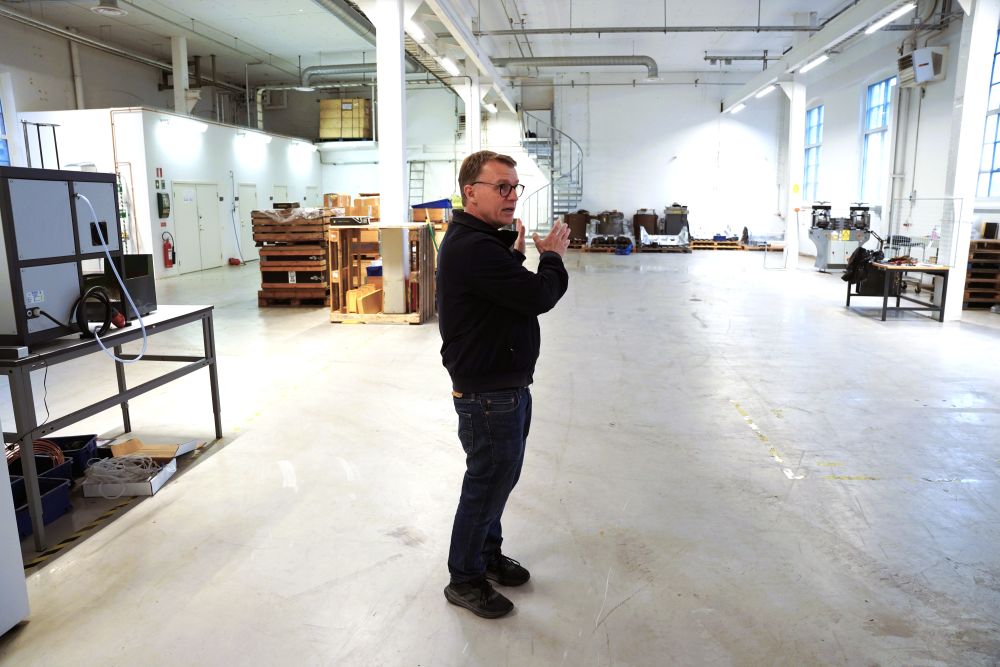
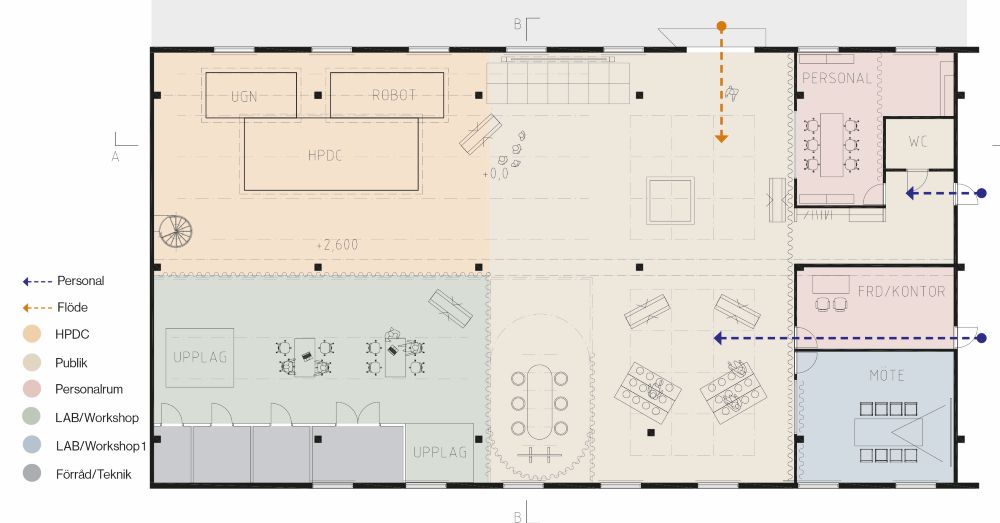
Once the premises are complete, the new casting cell will be installed on the right-hand side of the room. It is due to arrive in March. But there is still a lot to be done before then. In the sketch below, you can see what the premises are planned to look like.